
Hardwired ethernet, mesh Wi-Fi access points, smart switches, whole-home audio, and low-voltage automation pre-wire. The foundation that makes smart home tech actually reliable.
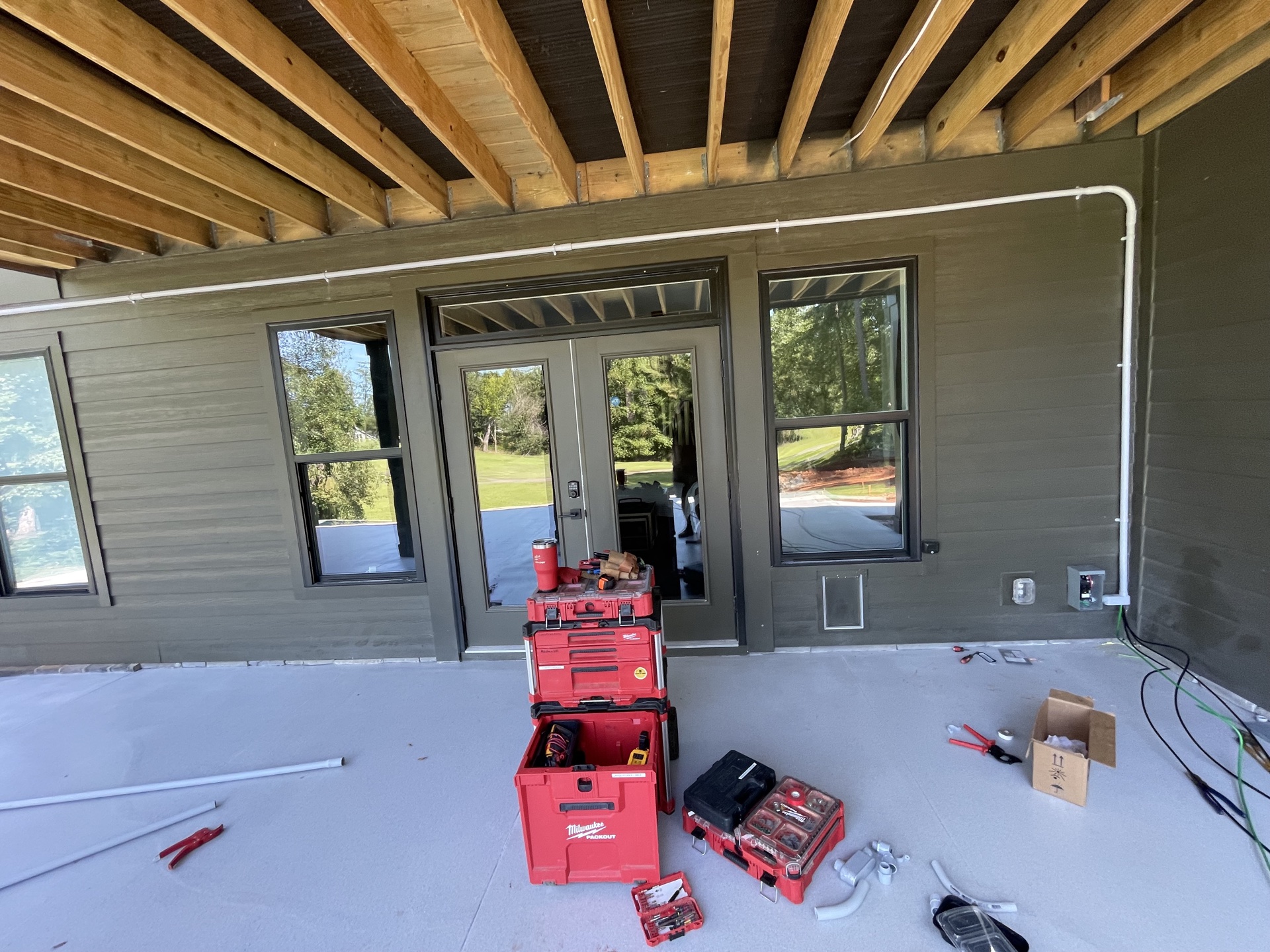
Wireless-everything is a marketing promise, not a reliability strategy. The homes where smart devices actually work well — day after day, year after year — are the ones with real structured wiring. Hardwired ethernet to every streaming device. Wired mesh access points. Wired smart switches with neutrals at every box. Conduit runs with pull strings so you can upgrade later without opening walls.
I handle smart home wiring for new construction and existing homes. New builds get a proper low-voltage rough-in: Cat6 or Cat6A runs to every TV, office, and ceiling-mounted access point location; structured wiring panel; conduit sleeves to future-proof closets. Retrofits focus on getting one solid backbone in place — typically a home run from the router to a central switch, plus access points in the right ceilings.
On the device side: Lutron Caseta and Lutron RadioRA for dimmers/switches, hardwired mesh (Ubiquiti, eero Pro, Orbi Pro), hardwired security cameras, and structured wiring compatible with HomeKit, Google Home, and Amazon Alexa. Clean installs, proper bonding, neutral wires where needed, and documentation so you (or your next contractor) knows what's what.
Smart switches and bulbs from a box only get you so far. Real home automation needs proper wiring behind it — that's the part most installers skip.
Common asks I do all the time:
If you're starting from scratch on a new build, I run conduit and home runs for the controls you'll add later — even if you're not buying the gear today. Future-proof beats retrofit every time.
If you're retrofitting an existing home, we walk it together, figure out the neutrals you have to work with at each switch box, and I tell you straight up what's possible without opening walls vs. what'll cost you drywall. No surprise change orders.
Most folks chasing a smart home start with bulbs. Bulbs are the worst place to start — they break the regular wall switch, your guests get confused, and one app outage takes down the whole room.
Smart switches are the right starting point. They keep the wall switch working like a wall switch, they don't depend on Wi-Fi to turn on a light, and they let you add scenes and automation later without rewiring anything. Quick walkthrough:
If any of these sound familiar, solid wiring is the upgrade that actually moves the needle.
Most Wi-Fi issues are coverage, not bandwidth. Properly placed hardwired access points fix in an afternoon what mesh pods try to fix for years.
The studs are open exactly once. Pulling Cat6, conduit, and low-voltage wire during framing costs a fraction of doing it later and delivers a vastly better result.
Many smart switch issues trace back to missing neutral wires at the switch box. I can retrofit neutrals or recommend Lutron Caseta (which doesn't need them) based on what's easiest in your home.
We talk about what you want to automate: lighting, climate, security, audio, network coverage. I'll tell you which pieces are worth wiring and which are fine on Wi-Fi.
For new builds: a layout showing Cat6 drops, AP ceiling locations, structured wiring panel, conduit sleeves. For retrofits: a targeted plan to solve specific problems without rewiring the whole house.
Cabling pulled, terminated, labeled, and tested with a cable certifier. Structured wiring panel set up cleanly. You get documentation so future work doesn't become a scavenger hunt.
Most smart home problems aren't device problems — they're wiring problems.
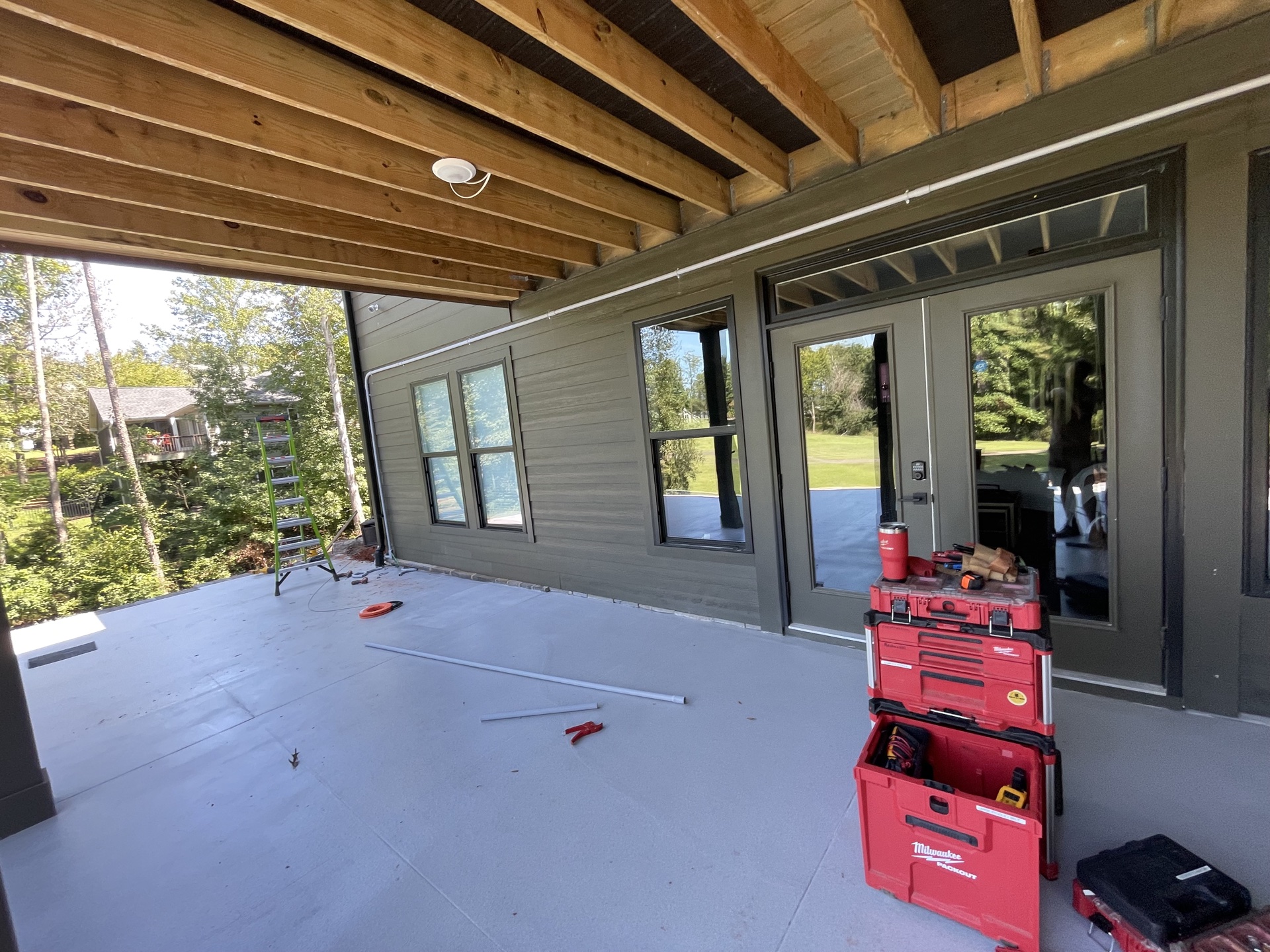
Outdoor smart home work — landscape lighting, automated irrigation, low-voltage runs — lives or dies on the buried junction box. Watch a 2-minute Short on how we do it right.
Watch on Recent Work →Have a question not listed here? Call or text (864) 436-8680 — I'm happy to talk through it.
Yes, at minimum pull Cat6 to every TV, office, and three ceiling locations per floor for access points. Add conduit sleeves between levels. This is the cheapest, most reliable foundation for anything you want to do later.
I use Cat6 as a minimum for new installs (supports 10Gbps up to 55m, 1Gbps at full room distance). Cat6A for runs where you want full 10Gbps future-proofing. Cat5e is fine for basic Wi-Fi APs but I rarely specify it anymore.
Usually yes. Many older homes don't have neutral wires at switch boxes — I can either run new neutrals or recommend Lutron Caseta (which works without them). I'll walk your house and tell you what makes sense.
Yes. I install and terminate the cabling; I can also set up access points and basic UniFi network configurations, or hand off to your network integrator if you have one.
New-construction rough-ins typically run $1,500–$5,000+ depending on home size and drop count. Retrofit projects are scoped per problem — usually $400–$2,000 for targeted AP install, neutral retrofits, or dedicated ethernet drops. Always a written quote before work.
Yes. The wiring I install is ecosystem-neutral — it works with whatever controller platform you choose now or switch to later.
Free consultation and wiring plan. No pressure, no over-selling what you don't need.