
50A or 60A 240V circuits, weatherproof disconnects, GFCI protection, and bonding grid. Wired to NEC 680 so your inspector signs it off on the first visit.
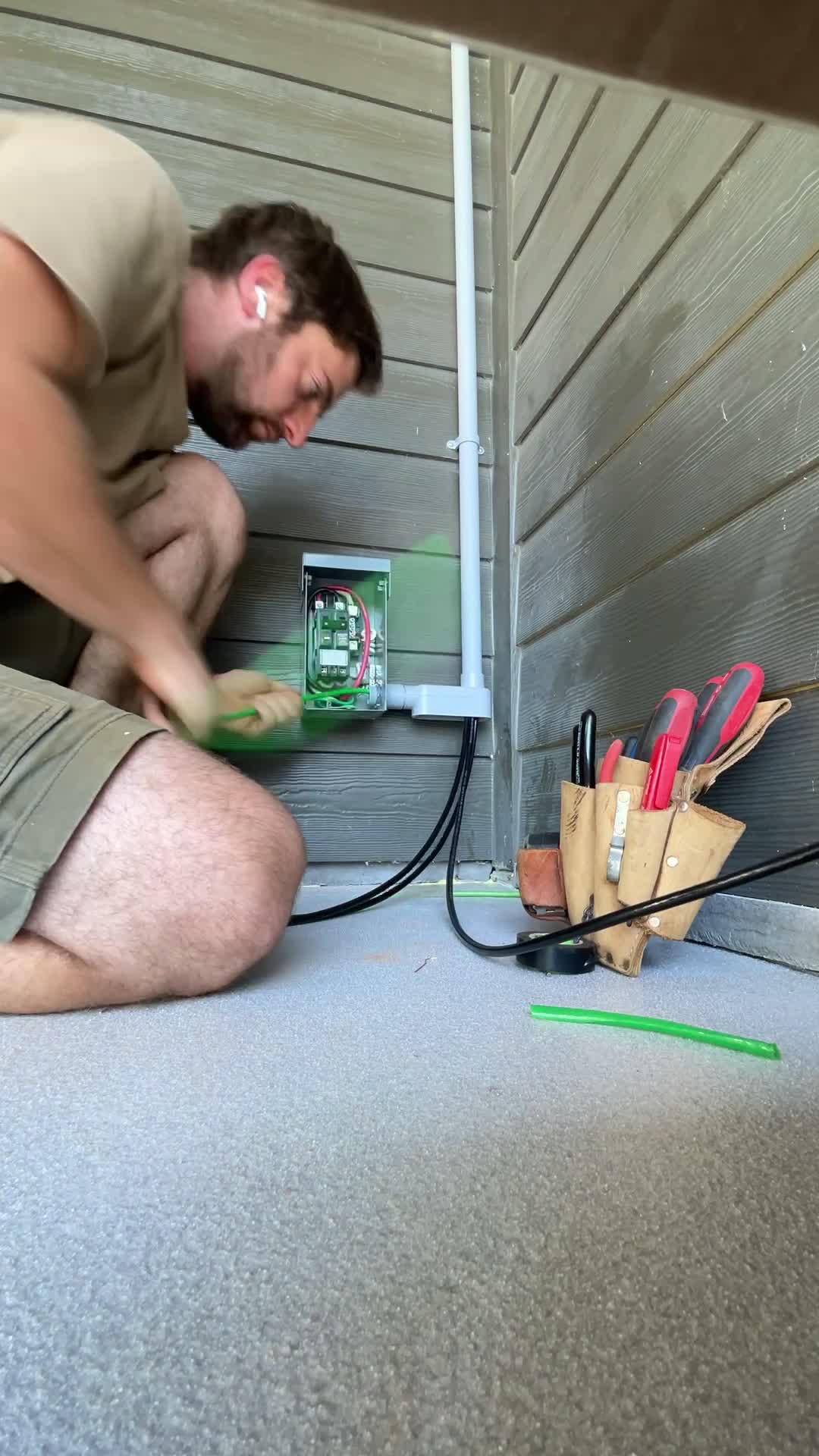
Hot tubs, spas, and swim spas pull a lot of current, typically a 50-amp or 60-amp, 240V circuit, and they sit in wet locations with people inside them. That combination is why NEC Article 680 is strict: the disconnect has to be visible from the tub, out of reach of a bather, GFCI-protected, and the tub has to be bonded to the surrounding reinforcement grid.
I wire hot tub circuits for new installs, replacement spas, and upgrades from undersized circuits that were run as a weekend favor years ago. Most installs involve running a new branch circuit from the panel, cutting a weatherproof disconnect box in the right spot, pulling wire, and setting up bonding if the pad is new.
If you're having a spa delivered next week, call me before the delivery date. A properly sized, permitted circuit installed beforehand means your spa is running hot water the afternoon it arrives, not three trips later.
Any of these means it's worth a call before you plug in.
Spas almost always need a dedicated 50A or 60A 240V circuit. The salesperson usually mentions this, but rarely emphasizes the disconnect location and GFCI requirements.
A hot tub that trips its breaker repeatedly is telling you something, usually an undersized conductor, a deteriorating GFCI, a bad heater element, or a failing bonding connection. None of these get better with time.
If your hot tub was wired direct-to-panel with no disconnect within sight, or with a regular household GFCI outlet, it doesn't meet code and should be corrected before a jurisdictional inspection or a home sale.
I verify your panel has room for a 50A/60A double-pole breaker and plan the conduit or cable route to the tub location. If your panel is full, I quote a sub-panel or panel upgrade as part of the scope.
A weatherproof disconnect goes within sight of the tub, at least 5 feet away, and reachable but not where a bather can touch it. I pull the electrical permit and verify setback requirements per your county AHJ.
Dedicated circuit run, GFCI protection installed at the disconnect, bonding grid tied in where required. After final inspection, I test hot-tub-side voltage and current draw to confirm everything is operating cleanly.
A good hot tub circuit is invisible. No tripping, no heat at the disconnect, no rechecks.

Have a question not listed here? Call or text (864) 351-7898. I'm happy to talk through it.
Most residential hot tub installs run $1,000 to $2,000 for a straightforward 50A/60A install from the panel, including disconnect, GFCI, permit, and inspection. Longer runs, difficult routing, panel upgrades, or additional bonding can go higher. I quote it in writing before starting.
Yes, in every county I work in. Hot tub circuits require electrical permits and inspections. I pull them in your name, schedule the inspection, and hand you the signed card at closeout.
Most installs are a one-day job on site. Full project cycle (permit → install → inspection) usually takes 4 to 10 business days depending on the inspector's schedule.
Yes, either by adding a sub-panel near the tub location or upgrading the main panel. I'll quote both options so you can decide what makes sense for your house.
Often yes. Older disconnects may not have GFCI, or may be the wrong amperage for the new spa. I test the existing one during the site visit and tell you honestly whether it can be reused.
Yes, pool pumps, pool heaters, and pool equipment wiring follows the same NEC Article 680 family of rules. I handle those as well.
Let's get the circuit in before the delivery truck. Written quote within 24 hours.